ServicesRoof Repair
Roof Repair in Guthrie
A stained ceiling or a few shingles in the yard seldom means the whole roof is finished. More often a single spot has given way. We trace where the water is getting in, repair it with matching materials, and tidy up so your home looks the way it did when we pulled in.
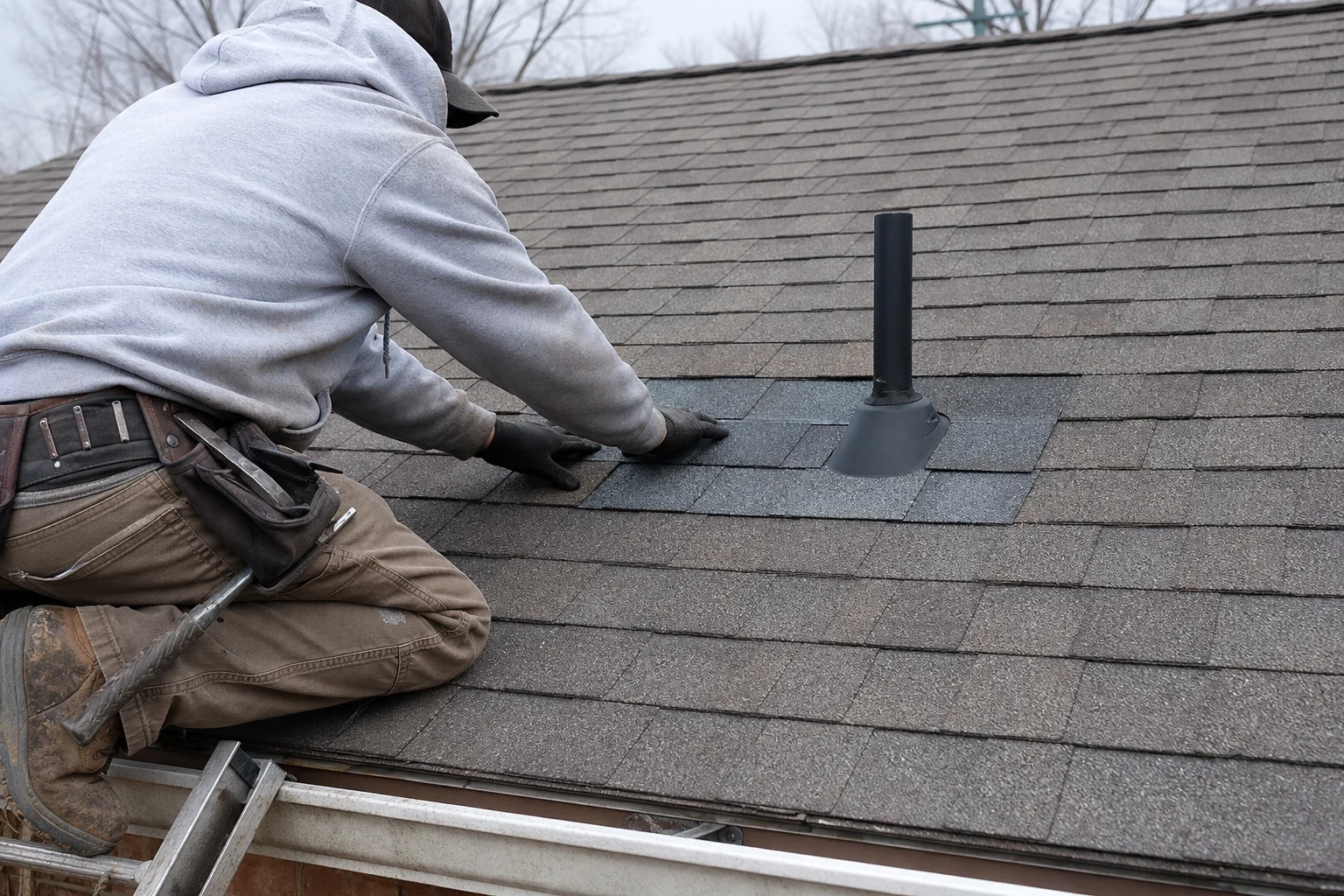
A Careful Repair Before Anything Bigger
Roof trouble tends to begin small and in familiar places: a split pipe boot, a nail that has backed out, flashing that has separated from a chimney or wall. Caught early, these jobs take hours, not days. We work the way you would want a neighbor to, fixing the piece that failed and leaving good materials where they are.
Water runs along the decking and rafters before it drips, so the stain on your ceiling can sit several feet away from the actual opening. We trace that path from the attic before lifting a single shingle. When a roof is worn out and a patch would only hold for a season or so, we tell you that directly and explain what roof replacement would look like, so you can compare both choices at your own pace.
What a Roof Repair Covers
- Leak tracing
- We look at the attic and the roof surface side by side, following water marks back to where the water actually enters. The repair then lands on the real problem, not just the spot where the stain appeared.
- Shingle replacement and matching
- Missing or wind-lifted shingles are replaced with the nearest available match in color and profile. We seal the neighboring tabs so the new pieces sit flat alongside the old ones.
- Flashing and penetrations
- Most leaks begin at chimneys, skylights, vents and wall junctions. We reset or replace step flashing, counterflashing and cracked pipe boots, sealing them correctly instead of adding another layer of caulk.
- Soft decking
- Plywood that has softened under a leak is removed back to solid wood and replaced with new sheathing before that section is roofed again. The new shingles then have a sound surface to fasten into.
- Photos and a clear explanation
- You get pictures of what we found and what we fixed, since most people never see their own roof up close.
Signs Your Roof Needs Repair
Ceiling or wall stains
Brown rings, bubbling paint or a damp smell upstairs usually point to a slow leak. The sooner it is found, the less insulation and drywall it ruins.
Shingles on the ground
After a gusty Oklahoma spring front, a few tabs in the yard mean the seal strips have let go somewhere. Exposed nail lines let water in quickly.
Granules in the gutters
Heavy grit collecting at downspouts can mean shingles are wearing thin or have been bruised by hail.
Light or drips in the attic
Daylight around a vent pipe or chimney, or wet spots on the decking after rain, tell us exactly where to start.
Sagging or uneven areas
A dip in the roofline can signal rotted decking underneath. It deserves a look before the next heavy rain.
What Shapes the Cost of a Repair
A view from the driveway rarely tells the full story, so we set a price once we have walked the roof and checked the attic. Your written estimate lists each piece of the work on its own line, so the total is easy to follow. Should old shingles come off and reveal something we could not see before, we stop, share photos and talk it through with you before going further.
How far the damage reaches
Swapping a single cracked pipe boot is quick work. A leak that has spread across several shingle courses calls for more material and more hours.
What is underneath
Wet or rotted decking must be replaced before new shingles go on, which adds lumber and labor.
Pitch and access
Steep slopes, second stories or tight access around trees need extra safety setup and slow the pace.
Shingle type and matching
Architectural shingles, unusual profiles or discontinued colors can take more effort to source and blend in.
Flashing work
Rebuilding flashing at a chimney or skylight is detailed, careful work and costs more than replacing a few shingles.
How a Repair Day Goes
- 1
Talk it through by phone
You describe what you're noticing and where. We ask a few questions and arrange a time to come take a look.
- 2
Inspect inside and out
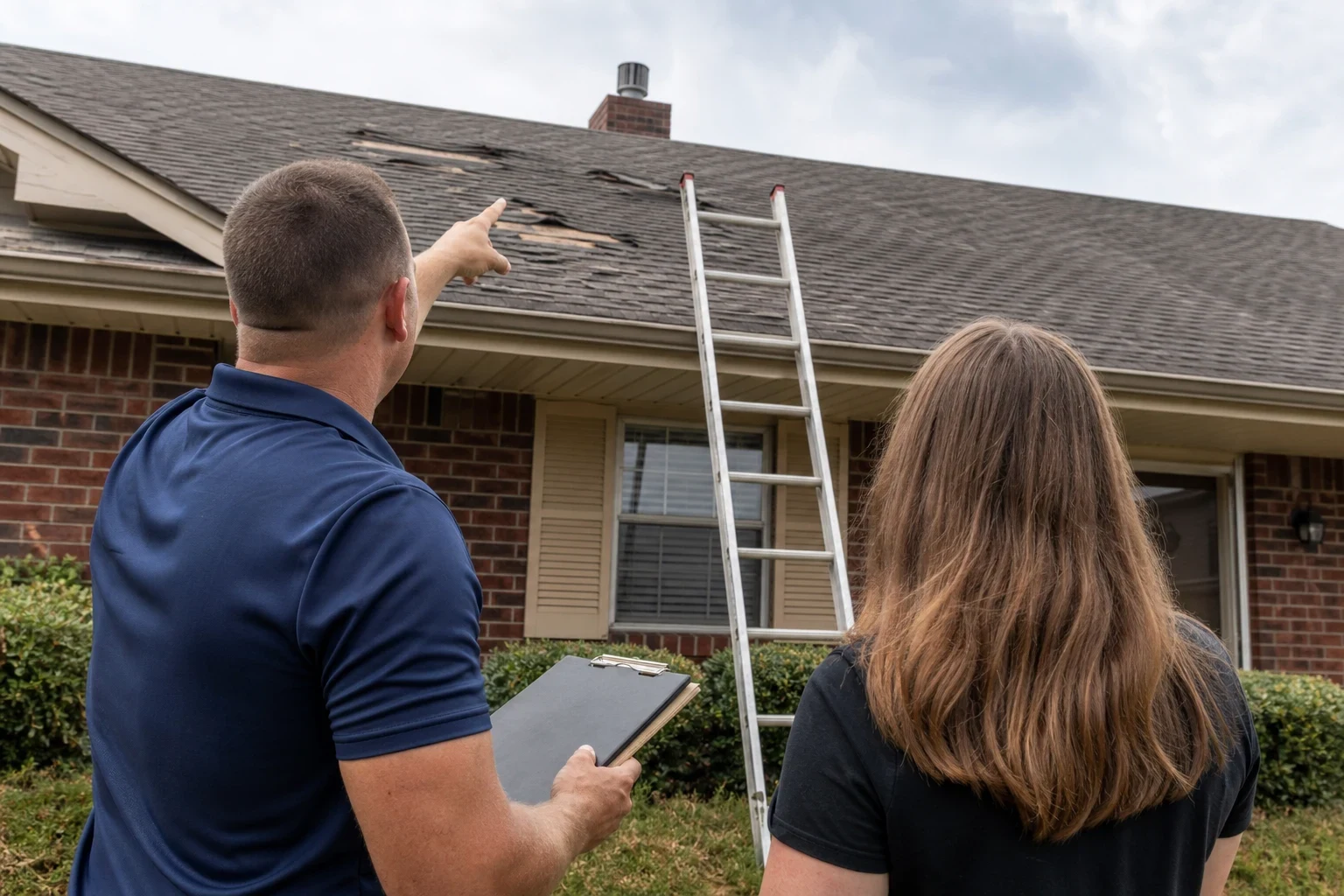
We begin in the attic, then climb onto the roof and follow the problem back to where it starts. You receive photos and a written estimate that itemizes the work.
- 3
Protect and repair
Plantings are covered and ladders are kept away from delicate areas. Damaged materials are removed, the decking is checked, and new underlayment, flashing and shingles are installed in the correct order.
- 4
Clean up and walk through
We sweep the yard, flower beds and driveway with a magnet to collect stray nails, and every piece of old material leaves with us. Then we show you the finished repair and point out anything worth keeping an eye on over the coming months.
Roof Repair Questions
Can you match my existing shingles?
Usually we come very close. We bring samples up and compare them against your roof in daylight. Older shingles fade, so a new patch may look a shade brighter at first and settle in as it weathers. When nothing close is available, we say so up front and talk through your options before we start.
Should I repair or replace my roof?
If the trouble is confined to one area and the shingles around it are still flexible and holding their granules, a repair makes sense. If most slopes are brittle, curling or shedding grit, repeated patches tend to cost more over time. We give you an honest assessment with photos and leave the choice with you.
Will my homeowner's insurance cover the repair?
It depends on the cause. Sudden wind or hail damage is often covered, while age and normal wear generally are not. We can document what we find and explain how a claim usually unfolds, but your adjuster makes the coverage decision. Our storm damage repair page covers this in more depth.
Do I need to be home during the repair?
Not always, as long as we can reach the roof and, when needed, the attic. Many people like to be there at the finish so we can show them the completed work.
How long does a typical repair take?
Most repairs confined to one area are done in a few hours. Jobs that include new decking or rebuilt chimney flashing can take most of a day. You get a realistic timeframe with your estimate.
Can a leak wait until the weather improves?
Small leaks tend to grow, and wet insulation and decking keep deteriorating the longer they stay damp. If the full repair has to wait, we can often install a temporary cover to limit further damage until conditions improve.
Let's Find the Source of That Leak
Tell us where the water is showing up and when it started. We will come look, explain what we find, and give you a clear estimate before any work begins.